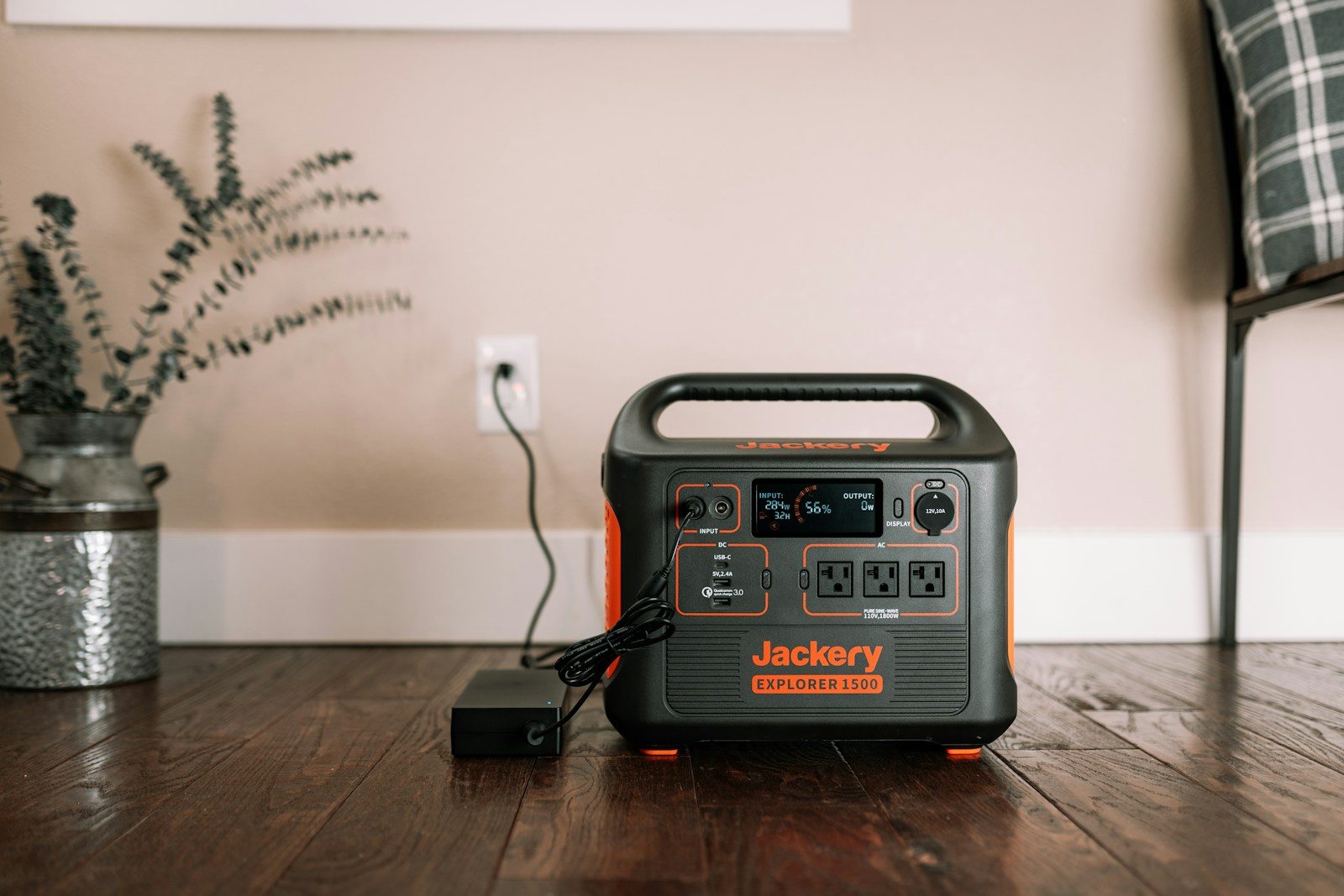
Portable power stations have quickly become must-have tools for camping, travel, and emergency preparedness. They keep your devices running during power cuts, charge your phone at the park, or power up gadgets wherever an outlet doesn’t exist. But many people wonder, “How long will this thing actually last?” The truth is, with some easy habits – no tech expertise required – your portable power station can serve you well year after year.
If you’re looking to squeeze the most life out of your unit, these practical battery care and storage tips will help. And if you’re looking for the best models or comparisons, check out this resource for detailed reviews of Portable power stations.
What Lifespan Really Means
It’s easy to mix up how long a power station lasts on a single charge (runtime) with how many years you’ll have it working at full force (lifespan). Runtime is simply the number of hours your station can run your devices between charges, while lifespan is about how many years or charge cycles the battery inside will survive before it starts losing capacity.
Batteries in these devices come in different types – mainly lithium-ion and lithium iron phosphate (LiFePO4). A typical lithium-ion battery can keep strong for about 300–1,000 full recharges. That’s 2–5 years if you use the unit regularly. LiFePO4 batteries, which you’ll find in many newer power stations, are more robust: you can expect 2,000–3,000 (or more) cycles, often lasting 8–10 years.
Maintain the Ideal Charge Range
One of the simplest ways to maximize your portable power station’s lifespan is to avoid keeping it at extreme charge levels. Lithium batteries are happiest when they’re not completely full or totally empty. For daily use, keep your battery between about 20% and 80% charged. If you’re planning to store it for weeks or months, set it at roughly 50–70% charge.
Letting the battery drop to 0% can put it into a deep discharge state, making it hard or even impossible to recharge. Likewise, holding it at 100% for weeks at a time (say, in storage) isn’t good either – it stresses the battery and speeds up wear.
Temperature: Your Battery’s Best Friend (Or Enemy)
Temperature has a huge impact on battery longevity. High heat – like leaving your power station in a hot car or sunny window – can dramatically accelerate battery aging. Freezing conditions aren’t safe for charging either. Store and use your power station in a cool, dry area, ideally between 10°C and 25°C (50°F to 77°F).
Try not to operate or recharge the device below freezing. Charging in very cold or very hot environments can cause chemical damage inside the battery, shortening its life.
Use the Right Charger (And Charging Speed)
Not all chargers are equal. Always use the charger and cable that came with your unit, or a manufacturer-approved replacement. Off-brand chargers with incorrect voltage could damage internal circuits or cause uneven battery wear.
Most models support both standard-speed and fast charging. While fast charging is a convenient feature, it creates more heat, which means more stress for your battery. For everyday charging, stick with the slower, standard method when you can.
Avoid Repeatedly Running to 0%
While your power station is designed to handle occasional deep discharges, it’s best for battery health to keep it above 10–20% most of the time. Save those last few percentage points for actual emergencies. Marathon athletes don’t sprint every day, and batteries appreciate the same kind of balance!
Proper Storage Habits
If you’re not using your portable power station regularly (for example, you store it for emergencies or vacation use), take a minute to prepare it for storage. Charge it to 50–70%, unplug all cords and accessories, and keep it somewhere cool and dry – think closet shelf, not a humid garage.
Set a reminder every three months to check the charge level. Top it back up to keep the battery healthy, but don’t let it linger at 100% for months either.
Keep Vents and Ports Clean
Portable power stations need some airflow. Their vents help control internal heat. Dust, pet hair, and debris can block these vents over time, making the unit run hotter. Wipe the exterior with a soft, dry cloth and clear vents often. While you’re at it, inspect cables and connections for damage.
If you notice the unit getting unusually warm, swelling, making strange noises, or failing to charge, stop using it and get advice from the manufacturer.
Don’t Overload Your Power Station
Each model comes with clear ratings for continuous and surge output. Plugging in devices that exceed these ratings (especially ones with high startup spikes – like refrigerators or power tools) can strain internal components. Stay comfortably below the maximum output and avoid daisy-chaining power-hungry gadgets.
Give It a Regular Checkup
You don’t need a spreadsheet or a calendar full of reminders. Every month or so, take a moment to:
- Verify the charge level
- Clean vents and exterior
- Inspect cables and ports
- Turn it on and make sure it still works with your essential devices
If your power station supports firmware updates via an app, install those updates – they can improve charging management and fix bugs.
Choose the Battery Type That Suits Your Use
If you’re buying a new portable power station, consider battery chemistry. Lithium-ion models are usually cheaper and lighter, which is great for occasional use or travel. LiFePO4 models may weigh more, but they’ll give you a longer lifespan and stand up to years of regular use.
Takeaways
Keeping your portable power station working for years is about a handful of smart, simple habits:
- Store and use in a cool, dry place
- Keep charge between 20–80%, or 50–70% when not used often
- Charge with the right cable
- Avoid deep discharge
- Clean, check, and test it every so often
Follow these routines and your portable power station will be ready whenever you need it – whether that’s for adventure, work, or unexpected outages. Treat it well, and it repays you with years of reliable backup power!