If you have ever sat in a dental chair and felt lost in a sea of strange words, you are not alone. Dental visits often come with unfamiliar terms like “periodontal,” “occlusion,” or “restorative,” which can sound confusing – even intimidating. In this beginner’s guide, we break down the most common dental phrases into everyday language, making it easier to tackle your next appointment with confidence. For those living locally, finding a dentist east brunswick nj who can explain things clearly is key to making smart decisions about your oral health.
Understanding what your dentist is talking about can be more challenging than the treatment itself. But once you recognize the basic vocabulary, you will find it much simpler to ask the right questions, compare your options, and start feeling good about your smile.
The Importance of Dental Language
Dental words aren’t just for professionals – they help shape how you understand your oral health, treatment plans, and even your daily habits. Being able to interpret these terms empowers you to follow directions correctly and make better choices about brushing, flossing, fillings, crowns, and other care.
Oral health should blend into busy family life in East Brunswick. For example, some dental offices offer flexible hours, making it easier to slot a visit between work and school. This increases the chance you will stay on top of needed care and visits.
Simple Explanations for Common Dental Terms
To help you feel more prepared, here are straightforward definitions of the terms you are most likely to hear during your dental visits:
- Preventative dentistry: Treatments and checkups designed to keep problems from starting, such as routine cleanings, exams, sealants, and fluoride.
- Restorative dentistry: Fixes or restores damaged teeth using fillings, crowns, bridges, or implants.
- Cosmetic dentistry: Improves the look of your smile with options like teeth whitening, veneers, and clear aligners (such as Invisalign).
- Periodontal: Related to the gums and bone that support your teeth.
- Plaque: A sticky coating of bacteria that forms on teeth.
- Tartar: Hardened plaque that requires a dental professional to remove.
- Cavity: Decayed area of a tooth that needs fixing, often with a filling.
- Root canal: Removing infected tissue from inside a tooth to save it.
- Extraction: Pulling or removing a tooth that cannot be saved.
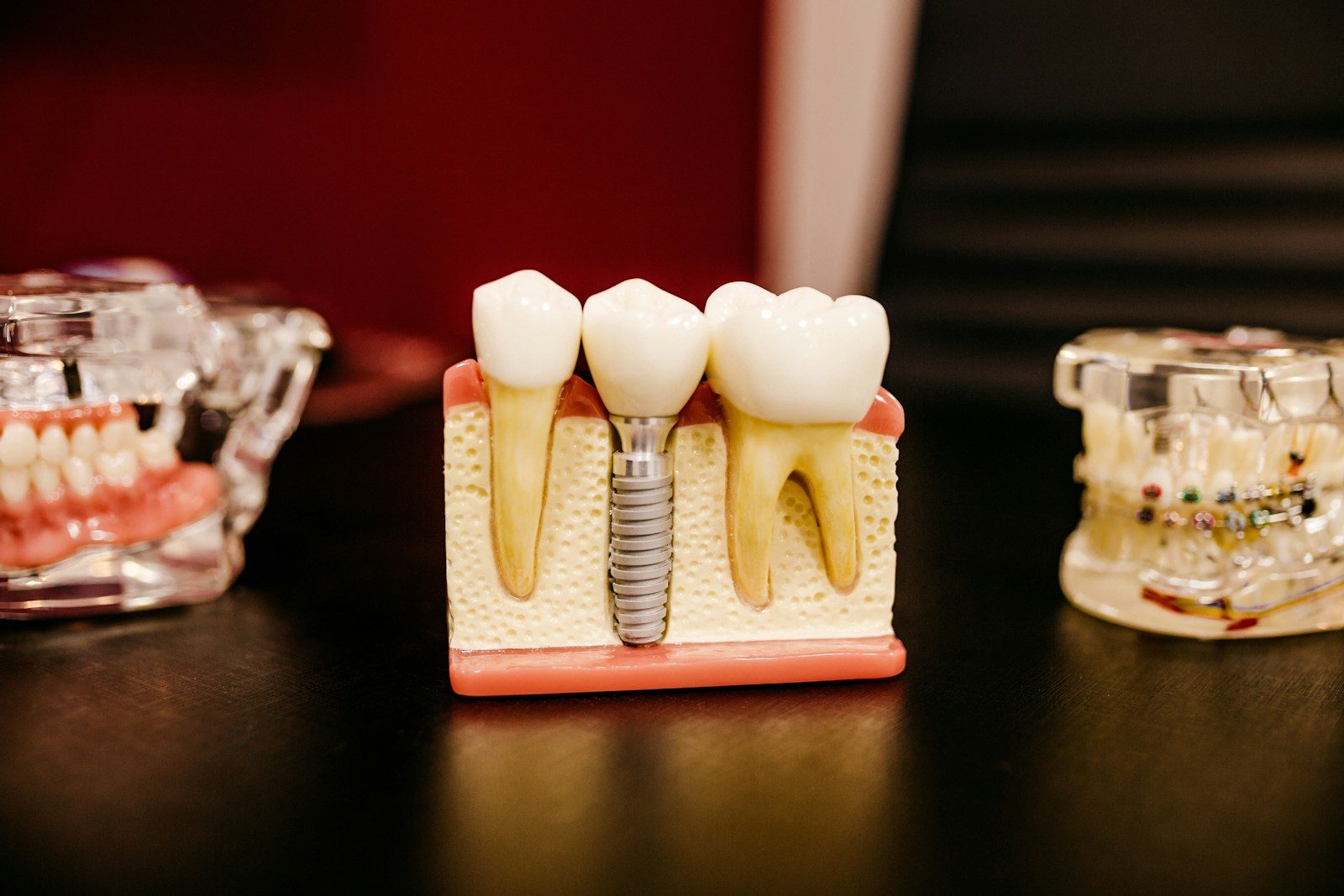
- Implant: An artificial tooth root placed in your jaw to support a false tooth or bridge.
- Orthodontics: Straightening teeth and fixing bite problems.
- TMJ: Refers to the jaw joint; can cause pain or clicking if there are issues.
When you know what these words mean, dental visits feel less stressful. You will better understand recommendations, and you’ll know why your dentist is suggesting a certain treatment.
What Your Dentist Might Say – And What It Means
Dentists often use words that can sound serious, but many are easy to address. For example:
- Gingivitis: Early stage of gum inflammation, often reversible with proper care.
- Periodontitis: A more severe gum issue that can affect the bones holding your teeth.
- Occlusion: How your upper and lower teeth come together when you bite down.
- Malocclusion: When your bite does not line up as it should.
- Deep pockets: Spaces between the teeth and gums, which can be a sign of gum disease.
If you hear something you do not understand, ask your dental team to explain it in a way that makes sense to you. A helpful dentist is always willing to clarify.
Popular Treatments Local Patients Ask About
People in East Brunswick often want effective, understandable solutions. Offices in the area frequently offer general care, cosmetic options, prevention, restorative procedures, dental implants, clear aligners, crowns, and urgent tooth removal.
Some common treatments include:
- Fillings: Repairs for teeth that have cavities.
- Crowns: Strong coverings that protect weakened or damaged teeth.
- Implants: A solid, long-term way to replace missing teeth.
- Invisalign: Removable, clear aligners to straighten teeth.
- Emergency extraction: Quickly taking out teeth that can’t be saved.
When your dentist mentions a procedure, try asking: What is this meant to achieve? Are there different ways to fix this? What happens if I do nothing for now?
How to Communicate With Your Dentist
It’s normal to feel nervous or unsure when you don’t understand medical or dental language. But your dental visits will go more smoothly if you speak up and ask questions. You don’t need to know every term – just remember to seek explanations.
Try these questions during your appointment:
- Can you explain that in plain language?
- Is the treatment needed now or can it wait?
- Are there gentler options?
- How much will this cost?
- How long will it take to recover?
- What should I expect after my treatment?
Open communication builds trust and makes dental appointments a lot less daunting, especially when planning care for families.
Dental Care Close to Home in East Brunswick
For East Brunswick residents, having a nearby dental office with easy contact methods and personalized service can make a big difference. A conveniently located practice encourages you to keep appointments and stick to regular checkups and cleanings, which are essential for preventing bigger problems in the future.
When dental care fits your schedule and is easy to reach, it is much simpler to maintain your oral health without stress.
Everyday Tips to Prevent Dental Issues
Connecting dental words to daily habits can remove much of the mystery. Many complex-sounding issues begin at home with small habits:
- Brush with fluoride toothpaste twice a day.
- Floss daily to remove hidden plaque.
- Cut back on sugary foods and drinks.
- Drink water regularly.
- Don’t ignore sore or bleeding gums, or any new tooth sensitivity.
- Keep up with exams and professional cleanings.
Practicing these routines supports prevention and often helps you avoid more complicated dental work later.
When It’s Important to Contact a Dentist Right Away
Not all dental problems can be put off – some need fast attention. For example, if you have a very painful tooth, a broken tooth, or you suddenly lose a tooth, you should call your dentist as soon as possible.
Get urgent care if you experience:
- Strong, lasting tooth pain
- A broken tooth, especially if it hurts
- A tooth that has come out
- Noticeable swelling near your teeth or gums
- Bleeding that will not stop
- Any signs of infection like fever or pus
Getting quick help can sometimes save a tooth and prevent a small issue from becoming something more serious.
Building Confidence with Dental Terms
You don’t have to let dental language make you feel uneasy. When you become familiar with basic terms, like preventative care, restorative work, crowns, implants, or TMJ, you will find dental appointments less stressful and much easier to manage. For East Brunswick patients looking for all-in-one care with flexible scheduling and patient-focused service, local practices are ready to help you take control of your smile.
With a little knowledge and a willingness to ask questions, you’ll find that taking care of your oral health becomes much simpler, and you’ll feel more self-assured every time you visit the dentist.