Starting an audiophile system for the first time might seem confusing, but you’ll find it rewarding if you take things one step at a time. You don’t have to spend a lot or buy fancy equipment right away – it’s more important to focus on your space, listening style, and what kind of sound makes you happy.
There’s plenty of debate online, especially if you’ve been digging through forums, watching setup walkthroughs, or exploring sites with trusted audiophile gear reviews. But nearly all the best guides agree on the basics: keep it simple, prioritize speakers, make sure your gear works together, and always think about your room before anything else.
Figure Out What You Want from Your Music Setup
First, think about how you’ll use your system. Are you craving the warmth of vinyl, planning to stream playlists from your phone, or just want something to make your TV or gaming sound better? Some music fans want a traditional two-channel stereo for focused listening. Others want an entertainment hub that handles everything from YouTube to movie nights.
Knowing this helps you decide what you actually need. If spinning records is your main hobby, you’ll need a turntable and a way to amplify those signals. If you’ll mostly stream, you may want a modern amplifier or receiver with digital inputs and Bluetooth. Ask yourself:
- What’s my main music source: records, streaming, or CDs?
- Where’s this setup going – cozy bedroom, study, or big lounge?
- Do I want old-school stereo or something I can expand later?
Taking the time to answer these honestly will steer you clear of gear that doesn’t suit your real-life habits.
Make a Smart Budget for a Better System
Everyone agrees: your budget should shape your choices, not the other way around. There’s no need to rush and buy everything at once. Wait before overspending on fancy stands or accessories – your main investment should go into the core parts.
A reliable rule: most of your money should go towards the speakers because they make the biggest difference in sound quality. Some guides suggest 30%–40% of your budget for speakers, while in a basic setup, even 50% isn’t unusual. In simple terms, speakers will shape your system’s character the most.
Here’s a typical way to split your spending:
- Speakers: the largest chunk
- Amplifier: next important
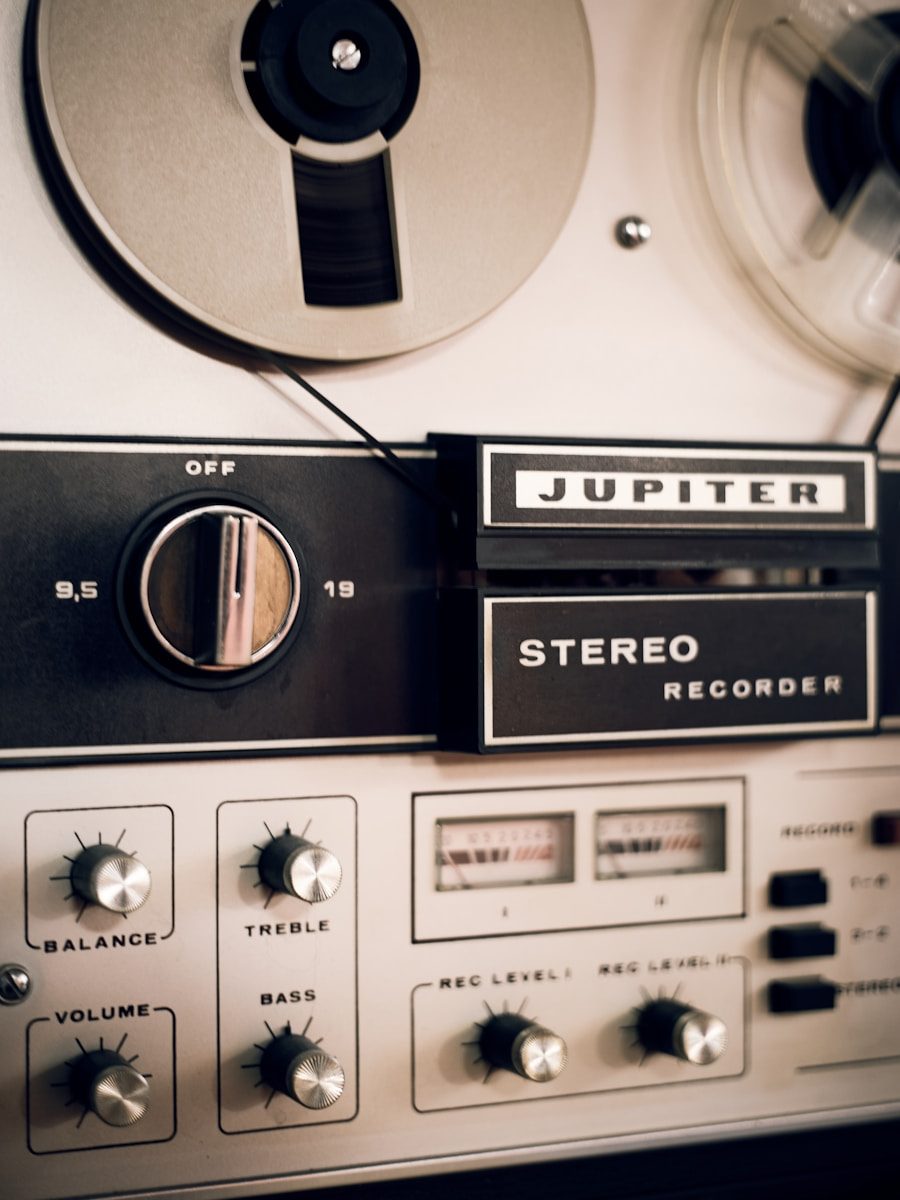
- Source device: turntable, streamer, CD player, etc.
- Cables and extras: start small here
It’s not about perfect math. Put your major investment in the items that make and shape the sound.
Keep Your First Setup Simple
For your first venture into hi-fi, start with a no-fuss stereo chain: source, amplifier, and speakers. Most experts recommend this approach because it’s easy to set up, easy to troubleshoot, and leaves plenty of room for future upgrades.
Your system will likely include:
- Source: turntable, streaming device, CD player, TV or laptop
- Amplifier: integrated amp or stereo receiver
- Speakers: usually a pair (bookshelf or floorstanding)
- Speaker cables: matched to the speakers and amp
Keeping things simple helps you quickly learn how each part influences your music. If you like vinyl, just remember you may need a phono amplifier – but many turntables and amps already include this.
Pick Your Speakers Carefully
Nothing affects your system’s sound more than speakers. They make the biggest changes in what you hear – the tone, detail, energy, and overall feel of the music.
Bookshelf speakers are popular with beginners because they’re small, easy to fit in most spaces, and simple to move around. Floorstanding speakers offer big sound but need more space and more precise placement.
When comparing speakers, look for:
- Sound profile: Is it bright or warm? Does it highlight vocals or bass?
- Sensitivity: Will your chosen amp drive them easily?
- Size & space: Are they better for bookshelves or the floor?
- Room fit: Will they fill your space or overwhelm it?
Reviews and tests are useful – listen to them, but don’t just buy what’s most popular. Focus on what fits your style and home.
Match Your Amp and Speakers
A well-matched amplifier and speakers are the heart of your setup. More watts don’t always mean better sound, and expensive speakers still need the proper power and signal to really shine.
Integrated amplifiers are best for beginners – everything you need in one box, with simpler setup. When shopping, consider:
- Enough power for your room and chosen speakers
- Inputs: does it work with your source?
- Phono input: a must if your turntable doesn’t provide it
- Sound signature: pair warmer amps with brighter speakers or vice versa
Don’t let specs or brand names make this more complicated than it needs to be. Aim for a balanced match that works for your space and music.
Think About Room Layout and Placement
The way you arrange your system can be as important as what you buy. Small changes to speaker positioning have a huge impact.
Most advice suggests:
- At least 2–3 feet between speakers and the wall
- For bookshelf speakers: about 4 feet apart
- For floorstanders: up to 8 feet apart
- Set tweeters at ear level when sitting
- Angle (toe-in) speakers near your listening spot
Treat these as guidelines, not strict rules. The aim is to reduce echoes, get clear imaging, and create a real sense of space in your music.
If you have a turntable or sensitive equipment, make sure it sits on a solid surface, away from vibration.
Connect Everything Carefully
When you’re ready to hook it all up, take your time. Simple mistakes here can spoil your listening experience.
Here’s a basic checklist:
- Always turn equipment off before connecting
- Double check speaker wire polarity: positive to positive, negative to negative
- Use correct connections for your devices
- If using a turntable, confirm you have the right input (phono stage or built-in preamp)
- Make sure everything fits snugly before switching on
A careful setup now means fewer problems later.
Listen, Adjust, and Fine-Tune
Once it’s all running, the job isn’t done yet. Test your new system with music you know and love – this makes it easier to spot what’s right and what needs tweaking.
Listen for:
- Full but controlled bass
- Clear voices and instruments
- Balanced left-to-right soundstage
- No annoying sharpness or muddiness
If something sounds off, move the speakers, try a different angle, or shift your seat. Check connections if one channel is louder than the other. Small tweaks can make a world of difference.
Take Your Time Before Upgrading
Don’t get caught up in the upgrade race. Use your first system for a while before adding anything extra. You’ll get a sense of what you truly want – better bass, more detail, simpler streaming, etc.
Common upgrades down the line might include:
- An upgraded turntable or cartridge
- A better digital-to-analog converter (DAC)
- Adding a subwoofer
- Improved speaker stands
- Acoustic treatment for your room
Start with the basics – add more only when you’re sure what’s missing.
Use Reviews as a Guide, Not Gospel
Reviews can help you narrow down choices and spot reliable gear. The best ones tell you how a product feels, performs, and whether it’s built to last – but they can’t account for your room or tastes.
Use review sites and buyer guides, like those with well-rounded audiophile gear reviews, to create a shortlist. After that, focus on your own needs, your own ears, and your real listening habits.
Building your first audiophile system should be fun, not stressful. Stick to the basics: good speakers, proper setup, sensible amp matching, and let reviews inform – but not dictate – your choices. Enjoy the music, and welcome to the world of great sound!