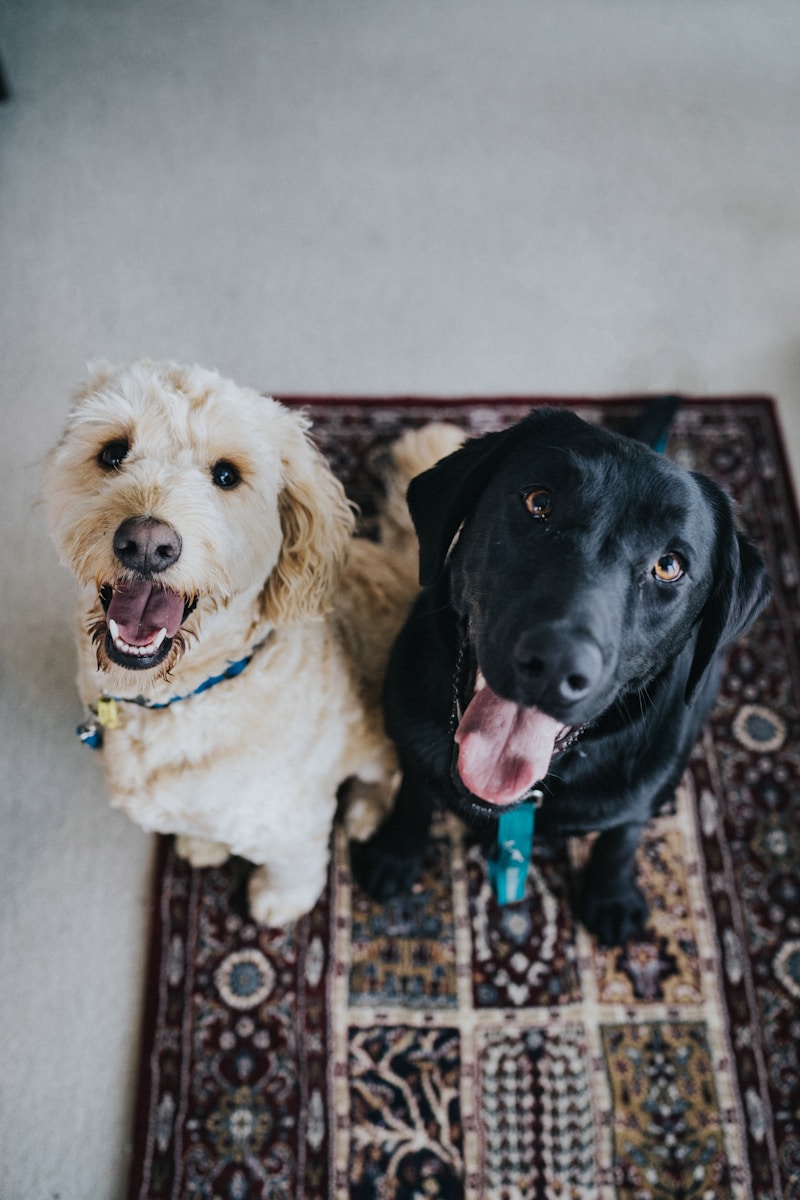
Picture yourself dashing off to work in the morning, travel mug in hand, and you catch your dog’s sad eyes as you close the door. That wave of guilt? Almost every pet owner feels it. The question of how to care for your pup while you’re out all day is one millions wrestle with. If you’re one of those who worry about leaving your four-legged friend alone from nine to five, this post will walk you through creative strategies and tried-and-true solutions to what to do with your dog while you’re at work.
Why Leaving Dogs Home Alone is Such a Big Deal
We all lead busy lives with jobs that keep us away from our pets for long hours. But for dogs, being cooped up for most of the day isn’t ideal. Our constant routines can clash with what our pets need, such as daily walks, company, and toilet breaks. Though crate training comes from the idea of dogs needing a “den,” modern dogs are used to open rooms, not cages with doors shut tight all day. After so many people returned to offices post-pandemic, pet owners once again found themselves searching for a balance that keeps everyone happy. Experts recommend dogs shouldn’t be kept alone or confined for stretches longer than 8 to 10 hours in a single day—anything beyond that urges problems like anxiety and boredom.
The Truth About Using a Dog Crate
Some dogs are okay in a crate for up to eight hours—if they get lots of play and potty breaks before. But younger pups need far less solo time, usually only the same number of hours as they are months old, plus one. So a 4-month-old pup should be alone no longer than five hours. Older dogs also need more breaks because of health or age-related problems. Too much crate time can lead to unwanted behavior, like whining, barking, or tearing things up. Watch out for dogs that dash out wildy when let out, or refuse to leave their crate at all—both signs something’s wrong.
| Age | Max Alone Time | Useful Tips |
|---|---|---|
| Puppies (2-6 months) | 3-7 hrs | Regular potty spots or pads |
| Adults (1-7 years) | 6-8 hrs | Make sure they get a lot of exercise ahead of time |
| Seniors (7+ years) | 2-4 hrs | Adjust for health or bathroom issues |
The Evolving World of Doggy Daycare
Doggy daycare is one of the fastest-growing solutions, offering much more than just a place for your dog to wait around all day. Staff keep a close eye on the dogs, grouping by size and play style, so everyone has fun and stays safe. If daycare isn’t for you, hiring a midday dog walker lets your pet stretch their legs and take a bathroom break. There are also nifty gadgets like treat-throwing cameras, giving you a chance to see your dog (and brighten their day) even if you’re stuck at your desk. Some people prefer to mix things up—a few days of daycare each week with breaks at home—or combine daycare visits with modern tools for the happiest possible pooch.
Sorting Fact From Fiction About Lone Dog Time
It’s easy to think your dog will keep itself busy all day. But toys don’t solve everything, especially for breeds who crave activity and mental challenges, like Border Collies or Huskies. On the flip side, crates aren’t automatically inhumane. If you introduce them slowly and kindly, many dogs will choose to hang out there because it feels cozy and safe. Interestingly, plenty of owners who can, pop home on their lunch break for a visit or short walk, cutting down how long their dog is actually alone.
What’s So Hard About Long Days Apart?
There’s a lot of debate about leaving dogs in a crate for extended hours. Some animal advocates suggest it’s unfair because dogs need room to move, sniff, and interact. Aside from emotional stress, seniors can get stiff joints or sore spots, and young dogs left too long can get stranded without a bathroom break. While doggy daycare costs can add up—sometimes $30 a day or more—the cost of anxiety medications and damage repair when dogs get lonely can be much higher.
Technology is opening new doors. There are now apps that let neighbors set up “dog swaps,” and smart feeders that coordinate mealtimes. Even some offices now welcome employees’ dogs, since having pets around has been proven to lower stress.
Everyday Routines for a Calm Dog
The best way to ensure a sleepy and happy dog through your workday is good old exercise—play fetch or go for a jog before you leave. Puzzle feeders or chew toys packed with treats can hold their attention and prevent boredom. Make sure your dog always has fresh water and the area is a comfy temperature.
- Crate Solutions: Use a crate just big enough for your dog to turn around in but not much wider, and keep water inside a spill-proof bowl. Place it somewhere with a comfortable, consistent temperature.
- Alternative Spaces: Try using a gated kitchen or closed-off safe room with their bed, water, and favorite chew.
- Call in Help: If you’re worried, dog walkers, lunchtime visitors, or doggy daycares break up the day.
- Remote Fun: You can play relaxing music or pet radio, and use cameras to toss treats or check in on nap time.
- Routine Counts: Consistent times for waking, eating, and walking builds trust and comfort.
Ease your dog into longer alone times by setting up short stints before you ever leave them a full day. Feed them inside the crate or gated room so it’s a “good vibes zone,” and slowly lengthen the time you’re gone. If you hear whining or barking, avoid making a fuss, but confirm your pet isn’t desperate for the bathroom.
| Option | Cost | Good For | Things to Mind |
|---|---|---|---|
| Crating | Free | Calm, adult dogs | No fun or socialization |
| Doggy Daycare | $25-40 | Playful or social dogs | May stress nervous pups |
| Pet Walker | $15-25 | All ages | Only a short visit |
| Safe Room | Free | House-trained pups | May chew stuff if bored |
| Spy Cameras | $10+ (one-time) | Curious owners | No bathroom help |
Step-By-Step Alone Training
Start with short “alone times” during weekends when you’re home. Feed your dog his meal inside the crate or cozy area with the door open. Then, try closing the door for just five minutes, and only increase as your pup feels secure and calm. Aim to spot early signs of stress or regression, and never hesitate to call your vet if new issues pop up.
A Happy Homecoming: Tail Wags for Working Parents
Let go of worries about leaving your furry friend. Combining a proper routine, enjoyable distractions, and perhaps outside help turns your dog’s day from lonely to lively. This week, consider trying a walk or a day at doggy daycare—they’ll love it, and you may notice your own stress levels drop too. Ready to make your pet’s workdays a treat? Why not make just one small change and watch your pup’s mood soar!