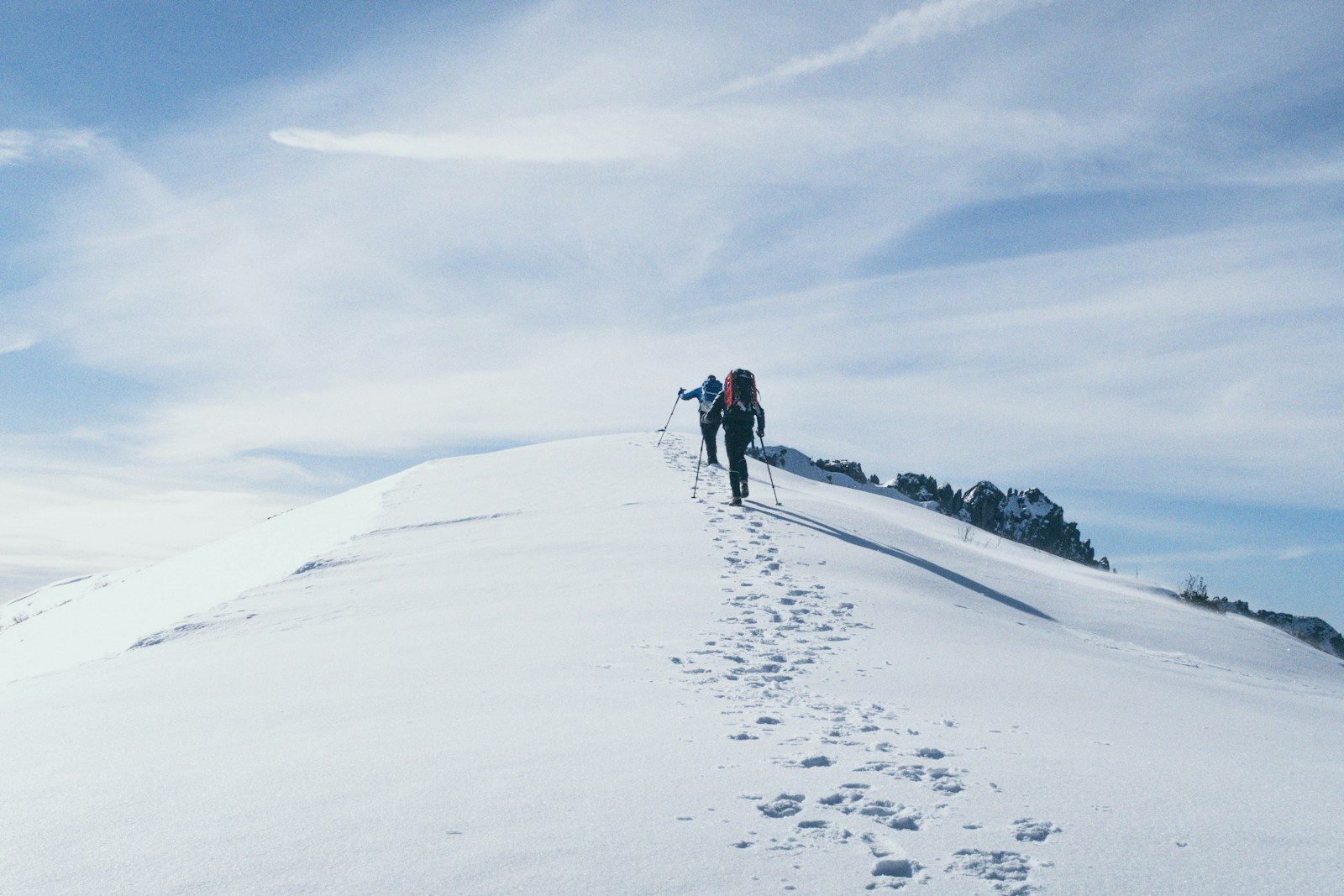
These days, more and more mountaineers are using AI-powered training tools to shape their routes, fine-tune fitness routines, and spot risks before they even pack their bags. Rather than taking away from a climber’s instincts or classic mountain know-how, these systems give them new details, faster updates, and a smarter way to focus their efforts. In fact, many recent discussions among climbers point to ai training for mountaineers as a way to prepare better than ever before.
Mountaineers have traditionally depended on reliable paper maps, basic weather updates, and lessons passed down from others. While this experience is still crucial, AI opens a new frontier: it quickly processes terrain information, weather trends, traffic on trails, athletic performance, and even recovery stats, all to get a mountaineer ready with a custom-tailored strategy for the mountains ahead.
What Makes AI So Useful for Climbing Preparation
Preparing for big expeditions is always about managing trade-offs between your fitness, the weather, your plans, and split-second calls in the field. AI steps in to spot patterns and connections in vast amounts of data – the kind that would take a person days to figure out. The mountain’s many variables, like sudden weather changes or shifting snow conditions, can be reviewed by AI in minutes.
Some of the latest AI climbing tools are able to review years’ worth of climate, terrain, and visitor records. This means climbers don’t have to settle for vague advice such as “look at the weather forecast” – they can get much more specific: for example, AI can predict how safe a particular route will be during a certain month, or even catch a hidden change in a microclimate that could alter risk levels overnight.
Because every mountain – and every face of it – can be totally different, this fast, local insight is a game-changer. AI isn’t infallible, but it does a great job of highlighting connections and early warnings that people might otherwise miss.
Training Gets Personal Thanks to AI
Perhaps the biggest advantage AI offers is personalization. Old-school training plans assume that most mountaineers need the same thing: more stamina, stronger muscles, heavier packs, and steady progress adjusting to altitude. AI, on the other hand, studies your unique fitness profile, your past training records, and your specific weaknesses to build a plan around you.
Modern AI systems adjust your workouts if you’re struggling in a certain area, suggest meal tweaks for high altitudes, and can tweak your acclimatization schedule based on how you’ve coped with altitude before. This personalized approach, which is already common in elite sports and learning, helps mountaineers train not just “harder,” but smarter.
For climbers, the tiniest improvements can make or break an expedition: things like avoiding exhaustion on summit day, walking more efficiently with a loaded pack, bouncing back quickly after a hard push, or tackling a never-ending approach with energy to spare. While a general fitness blueprint helps, precise, custom plans often tip the scales in tough environments.
Training Evolves Beyond the Gym
Being fit for a climb isn’t the same as being just generally athletic – you need to be strong in ways that actually help on the mountain. Mountaineering fitness is about grinding through long, tough days, dealing with uncomfortable conditions, and moving efficiently, even when you’re tired or the weather turns.
With AI, these broad goals turn into specific, doable workouts. AI can help you figure out if you’d benefit most this week from:
- an extra-long cardio hike
- heavy pack carries uphill
- step workouts or stair climbing
- strength circuits to fight fatigue
- active recovery sessions
- or rehearsing your altitude routine
These adjusted plans work well for anyone balancing climbing dreams with the realities of work and family. AI turns a giant, intimidating mountain goal into clear, manageable steps – much like digital planning tools now break up tricky objectives with practical, small milestones.
Route Choices and Weather: Getting Ahead of the Game
Choosing the right route is a massive decision, often the difference between a safe day out and real danger. Here, too, AI has stepped in to help. By tying together GPS data, digital maps, 3D terrain models, and updated weather feeds, AI gives mountaineers up-to-the-minute route advice and flagging when plans should change.
Some systems can even scan for evolving hazards, comparing live and historical data to predict when and where climbing windows are safest. For those in the field, this means training can shift from a generic approach to targeting exactly the slopes, weather, and hazards they’ll face on their chosen route. It makes preparations much more relevant and less guesswork-based.
AI’s Real Role: Support, Not Replacement
There’s one clear message repeated in climbing communities: AI is a powerful tool, not a crystal ball. Even the best systems can make mistakes or become overconfident in their own “advice.” That’s why mountaineers are warned to double-check AI suggestions with trusted human sources before making important decisions.
Mountains are unforgiving, and a single mistake can have huge consequences. While AI brings together facts and data, it doesn’t understand things like team trust, local traditions, subtle hazards, or how different snow feels under your feet mid-storm. When it matters most, only experience and sound human judgment will do.
So, AI should be used to highlight options, remind us of what we might overlook, and pressure-test our plans – not to make final calls for us.
Training Adapts Faster Than Ever
Another strength of AI is its ability to learn as you go. Expedition prep rarely goes smoothly from start to finish – weather shifts around, work and family plans jump in, altitude affects people differently, or a sprain sidelines you for weeks.
AI-based plans can quickly adapt to these changes, updating your schedule with real data about your progress (or setbacks). The plan can move from cardio to recovery, or focus more on strength if your base fitness is lagging, all much faster and smarter than a “one size fits all” monthly calendar.
This fits perfectly with the long-standing idea in mountaineering: keep planning as you go, and be ready to change direction at any moment.
AI Is Impacting Expedition Safety, Too
The influence of AI isn’t limited to getting fit. Some new technologies are now being developed to track movements, assist in search and rescue, or analyze likely routes if a climber goes missing. These features are not widespread yet, but they show that AI is gradually becoming a part of every stage: from planning, to execution, and even emergency response.
This makes smart training even more crucial, because well-prepared mountaineers stay safer and are less likely to take risky shortcuts when caught off guard by bad conditions.
Where Climbers Find the Most Help from AI
Most mountaineers report that AI helps them in a handful of practical ways, including:
- Creating week-by-week fitness, strength, and rest plans
- Comparing route options for risk, exposure, and difficulty
- Interpreting weather changes for safer summit pushes
- Deciding what gear is absolutely necessary for the trip
- Building an altitude progression plan for safe acclimatization
- Noticing skills or habits that need extra work, like navigation or efficient transitions
This is the zone where resources such as ai training for mountaineers can make a huge difference, helping climbers use technology wisely for stronger, safer adventures.
What AI Can’t Replace
No matter how advanced, AI can’t climb the mountain in your place. It won’t sense frostbite before you do, judge an overhanging cornice at a glance, or know how a team works together during a crisis. AI is brilliant for data, trends, and structure – but it doesn’t cover the intuition, caution, or teamwork needed on real expeditions.
This is why the best climbers mix both worlds: they use AI for customized plans and adapting to sudden changes, then match it with first-hand mountain knowledge, coaching advice, and a conservative mindset when the stakes are high.
Mountaineering is becoming less about raw guesswork and more about smart, responsive preparation. But even as training gets more high-tech, the key traits for success remain unchanged: patience, awareness of your environment, and respect for the mountain’s power. In this way, AI isn’t making things easier – it’s making your effort count where it matters most, which could be the most important change for mountaineers in a long time.