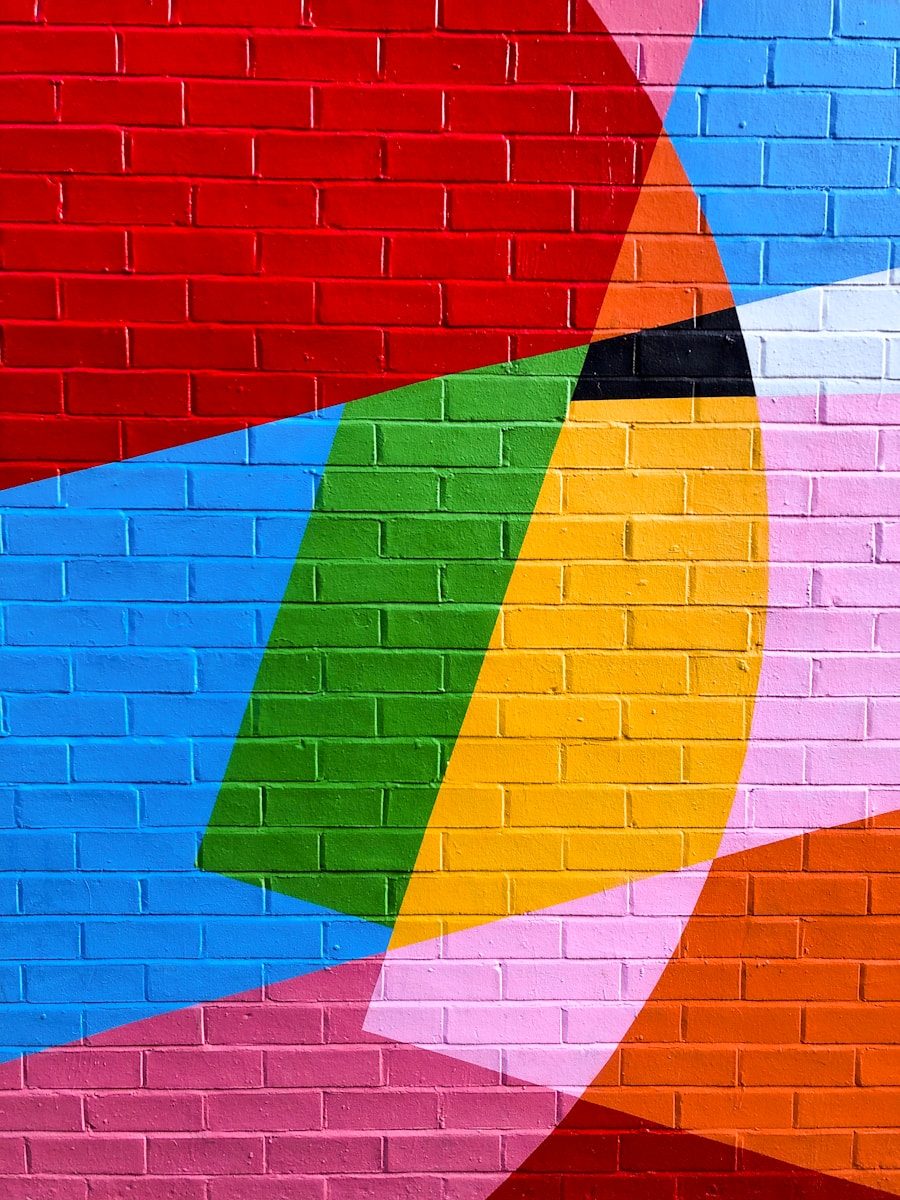
What your walls communicate often goes far beyond your choice of furniture, lighting, or decorative items. In Seftigen, the shades chosen for interior walls make a strong impact – signaling everything from calmness and sophistication to warmth, energy, or creativity, and shaping both the atmosphere of a home and the feelings of those who enter.
Color in home design isn’t just about looks – it’s a vital element that influences how a room feels and behaves. In Seftigen, where residents aim for spaces that balance usefulness and individual taste, the color on your walls quietly sets the tone. A gentle blue can turn a bedroom into a restful retreat, while warm shades in a kitchen often encourage lively gatherings. Neutral tones in the living room might create a sense of tidiness and timeless charm.
Color psychology tells us that each color can lead to different responses. Reds, oranges, and yellows tend to radiate energy and warmth, while blues and greens bring about peace and steadiness. Neutrals like white, beige, or grey offer openness and flexibility, making them a popular choice in many homes. Choosing the right palette helps turn a space into a personal haven that matches its purpose and your own style.
Why Wall Color Plays a Major Role
Because walls are the largest surfaces in any room, their color dominates the initial impression – often before anyone notices the furniture or artwork. Interior designers rely on color to shape emotion: making a space feel restful, focused, social, or creative. This makes picking a paint color much more than following a trend; it’s a key decision for how each room should be experienced.
Practical advice suggests always tying color choice to how the room is used. For example, bedrooms usually benefit from cooler, quieter shades meant to help you relax. Kitchens and family rooms, in contrast, do well with sunny or bright colors that boost activity. If you have a home office, you might prefer colors that encourage concentration without becoming too bold or distracting.
What Colors Express in Your Home
Colors have been shown to send certain messages in interiors:
- Blue is naturally calming, often chosen for places where you want tranquility – like bedrooms and bathrooms.
- Green suggests harmony and renewal, making it perfect for spaces meant to feel peaceful or natural.
- Red is energetic and passionate. It can work as a highlight, but too much can feel overwhelming.
- Yellow brings cheer and optimism, though powerful yellows can be overstimulating if overused.
- Orange shows creativity and friendliness, ideal for gathering spaces.
- Purple can feel imaginative or luxurious, depending on its shade.
- White signals freshness and simplicity, helping rooms stay light and open.
- Black stands for elegance and drama, best used in moderation to keep a space from feeling enclosed.
However, these effects depend on much more than color alone. A pale blue in a sunny room isn’t the same as deep blue in a small, dim area. The brightness, saturation, and even the paint finish – whether matte or glossy – change how a color feels.
The Unique Style of Seftigen Homes
Seftigen homes reflect both practical needs and a desire for comfort. Residents often prefer palettes that encourage relaxation and togetherness. To translate inspiration into reality, many turn to experienced professionals like the Maler- und Gipserbetrieb in Seftigen bei Thun to craft spaces that are both attractive and meaningful.
Families in Seftigen often pick gentle neutrals with subtle warm touches to keep things feeling spacious and flexible. In compact apartments, lighter shades are used to open up the space. Modern renovations may feature earth-inspired colors that ground a room while keeping it stylish and up-to-date.
Walls are more than surfaces; they’re a canvas for expression. For example, a minimal color palette can signal order, while vibrant contrasts project energy and personality.
Thinking About Color for Each Room
It’s helpful to match your wall color to each room’s use and mood.
Bedrooms work best with hues that quiet the mind, such as soft blues, sage greens, or gentle purples. These promote calm and rest, providing a backdrop for relaxation.
Living rooms can be made inviting with off-whites, earthy browns, or muted colors combined with energetic accents. Since these spaces are often used for socializing, the colors should support easy conversation and comfort.
Kitchens benefit from spirited shades like pale yellow, terracotta, or creamy white to encourage warmth and activity.
Home offices need colors that keep you focused, like greys and muted greens or blues, which reduce visual clutter while promoting clear thinking.
Bathrooms are usually best with light shades of blue or crisp white, as they reflect cleanliness and help even a small bathroom feel more open.
How Light and Finish Affect Color
The way a color looks always depends on light – both natural and artificial. The same paint can change from warm in one room to cool in another, based on window placement and sun exposure. In Seftigen, these differences are especially clear between north- and south-facing rooms.
Finish is also important: matte paints tend to be calming and understated, while glossy finishes bounce light and make spaces pop. This is why many decorators suggest testing a sample before deciding on the final color.
Creating Color Harmony
A popular approach for balanced interiors is the 60-30-10 rule. This means using one color for about two-thirds of the room, a second shade for almost a third, and a third, bolder color as an accent. This method helps you achieve a layered but unified look.
For example, in a typical Seftigen living room, a warm white might be the main color, with soft shades like beige or green as secondary tones, and a deep color like forest green in small accents to add interest.
Color Is Personal and Cultural, Too
Everyone experiences color differently, influenced by culture, memories, and personal taste. A color that feels comforting to one person might seem cold to another, which is why good interior design also considers the opinions and feelings of everyone sharing the home.
Especially in family settings, it’s wise to check in with others before making a final choice – since colors can trigger strong likes and dislikes.
What Are Your Walls Saying About You?
If you lean toward soft neutrals, it might signal you enjoy calmness and clarity. Shades of blue or green could show you value peace and gentle elegance. Bold, contrasting walls may hint at creativity and a love for making a visual impact.
Color psychology in Seftigen homes is more than simply painting a wall; it’s about creating spaces that feel right for daily living, self-expression, and comfort. The hues you choose shape not just your rooms, but also how you and your guests experience your home from the moment they walk through the door.
Your walls are speaking – make sure they say something that reflects both who you are and how you want to live.